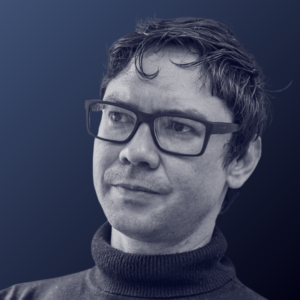
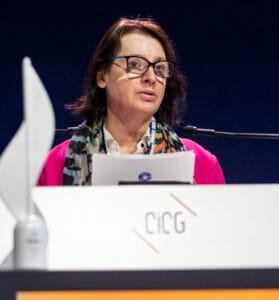
Gulalai Ismail, prominent Pakistani women’s rights activist and former political prisoner who escaped the country receives the 2021 International Women’s Rights Award and addresses the 13th Annual Geneva Summit for Human Rights and Democracy – see quotes below, followed by full prepared remarks.
On growing up in Pakistan:
“I grew up in Northwestern Pakistan, a place where most girls will never go to college, where many adult women can’t read.”
On abuse of women in Pakistan:
“As [my mother] sewed, [women] share[d] their stories – of being beaten & abused by their husbands or their in-laws. If they stayed silent, they were considered good women. If they fought back or left their husbands, they were called homewreckers.”
“Then, it happened to my cousin. She was 15 years old & dreamt of being a pilot. But suddenly, her parents pulled her out of school and married her to a man twice her age.”
On starting a human rights organization in Pakistan:
“We thought if girls just knew their rights, the problem would be fixed. And that’s why we started Aware Girls, to make other girls aware of their rights.”
“As the organization grew, we realized it wasn’t just a problem of awareness – but of systems that reinforce inequality.”
“In the early days, being underestimated was an advantage! …The men & the elders would shrug it off and say, ‘oh they’re just girls, let them do what they do, they’re young & naïve, nothing will change.'”
“We trained thousands of women & girls in Pakistan to become active citizens and political leaders. We organized the first ever women-led election monitoring in 2013.”
On being targeted by Pakistani authorities:
“[My mother] went on to explain that just a few hours before, a group of men showed up at our house, banging on the door. When my father didn’t open it, they said that if we didn’t stop our human rights work, there would be consequences. And then they started shooting. There were bullet holes all over the front of our house.”
“It was one of the worst days of my life, but it was also the day I realized that our work was making a difference.”
“As our impact grew, so did the threats.”
“I started speaking out about sexual violence in the conflict zones of Pakistan. And THAT’s when the authorities doubled down on their persecution of me.”
“I was repeatedly arrested on false charges. Our home was raided again & again & again.”
“My passport was taken. They put pictures of my face at every border crossing. I went into hiding…”
“Meanwhile my family & friends were arrested, detained, electrocuted, and tortured just for information about me.”
On support from her family:
“The only reason I’ve survived this long and the only reason I can continue doing this work is because of my family & friends. When I was in hiding, my sister fought for my life. When my father was in prison, I fought for his life.”
On need to protect human rights defenders:
“As an international community, we must protect human rights defenders from their own governments.”
Full Remarks
Thank you to the Geneva Summit for Human Rights and Democracy for this award. I am so honored & privileged to be recognized today. And to stand among so many incredible people who are doing this work.
I grew up in Northwestern Pakistan, a place where most girls will never go to college, where many adult women can’t read. So you can imagine how confused the elders were when my sister and I started a human rights organization!
One time, in our early 20s, we were standing at the podium on stage, getting ready for our conference on International Women’s Day.
More than once, someone came up to ask, “Who is the organizer?” We’d say, “We are the organizers.” And they’d say, “No, no. Who is the real organizer?”
We’d say, “oh, we are the real organizers.” They’re like, “No, no, we mean who are the real, real organizers?”
And we’d say, “Oh… you mean, the men?” And they’d say, “Yes, yes.” And we’re like, “Nope, it’s just us!”
Luckily, in the last few years, things have started to change for women and it’s more common to see women organizing & leading movements – sometimes, at a huge personal cost.
I’m one of six kids – four girls, and two boys. My mother was an entrepreneur, though no one in our village called her that. She was the only woman who knew how to embroider by machine.
So growing up, women from all over the village would come to our house and she’d embroider whatever they needed –dresses, tablecloths, linens.
And as she sewed, they’d share their stories – of being beaten & abused by their husbands or their in-laws. If they stayed silent, they were considered good women. If they fought back or left their husbands, they were called homewreckers. Even as a young girl, I found this disturbing.
And then, it happened to my cousin. She was 15 years old & dreamt of being a pilot. But suddenly, her parents pulled her out of school and married her to a man twice her age.
My sister, Saba, and I were furious. We talked about it nonstop, we complained to our parents, and even tried to convince hers. But it was too late.
At the time, my father subscribed to monthly human rights newsletter. We read each issue & talked about it with other girls at school. We thought if girls just knew their rights, the problem would be fixed. And that’s why we started Aware Girls, to make other girls aware of their rights.
As the organization grew, we realized it wasn’t just a problem of awareness – but of systems that reinforce inequality. And so we became political organizers.
In the early days, being underestimated was an advantage! Our organization could take root and grow without being shut down. The men & the elders would shrug it off and say, “oh they’re just girls, let them do what they do, they’re young & naïve, nothing will change.”
They were wrong.
We trained thousands of women & girls in Pakistan to become active citizens and political leaders. We organized the first ever women-led election monitoring in 2013. My sister and I were featured on Foreign Policy Magazine’s list of 100 Leading Global Thinkers. The same year as Malala!
And that’s when they couldn’t ignore us anymore.
In 2014, my dad was supposed to pick me up at the airport on my way back from a conference in Belgium. Picking me up from the airport was our tradition, he’d meet me inside, help me with my luggage, and cheerfully ask me everything about it. “How was your conference, who did you meet, how was the food, how much money did you spend?” (He’d always give me some money, just in case).
But this time, he just called and said, “I’m outside.” I thought that’s weird, what’s wrong with my dad? Why isn’t he talking?
When we got home & my mother answered the door, her face was colorless. She said, “Your father didn’t tell you what happened?” I said no…
And she went on to explain that just a few hours before, a group of men showed up at our house, banging on the door. When my father didn’t open it, they said that if we didn’t stop our human rights work, there would be consequences. And then they started shooting. There were bullet holes all over the front of our house.
My poor sisters were traumatized and within 24 hours, we left our home forever & relocated to Islamabad. It was one of the worst days of my life, but it was also the day I realized that our work was making a difference.
So we worked even harder. We launched Youth Peace Network & prevented more than 10,000 people from joining militant organizations. We trained thousands of young women in political leadership skills & 10 of them got elected in local elections.
As our impact grew, so did the threats. Social media made it easy to spread lies about me online. I was repeatedly accused of blasphemy, which carries a life-sentence in Pakistan. But I knew I had to set a precedent for other women, so I went to court and fought back.
The same year, Pashtun Tahafuz Movement emerged against the war economy, enforced disappearances, and extrajudicial killings. As a leader of the movement, I started speaking out about sexual violence in the conflict zones of Pakistan. And THAT’s when the authorities doubled down on their persecution of me.
I was repeatedly arrested on false charges. Our home was raided again & again & again. I knew I had to leave the country, but by then I was on the Exit Control List. My passport was taken. They put pictures of my face at every border crossing. I went into hiding, got rid of my cellphone, and moved to a different house every few nights to be safe. Meanwhile my family & friends were arrested, detained, electrocuted, and tortured just for information about me.
This is when I realized how few support systems exist for human rights defenders. There was nowhere in my country that I could go to be safe. A few international organizations offered me money, but what I really needed was protection, security, and a safe way out.
The only reason I’ve survived this long and the only reason I can continue doing this work is because of my family & friends. When I was in hiding, my sister fought for my life. When my father was in prison, I fought for his life. My family has never once made me feel bad about this work – even though it’s put them in jeopardy again & again.
We’re in this together, as a family. And that’s the reason I’ll never quit.
But not everyone is so lucky. As an international community, we must protect human rights defenders from their own governments. We must become the family they need – so they can do the work to keep their people safe.
Thank you.